January marks Maternal Health Awareness Day—a time to reflect on the real, often invisible crisis of maternal health in the U.S. and to ask a bold question: What if our goal wasn’t just survival, but thriving?
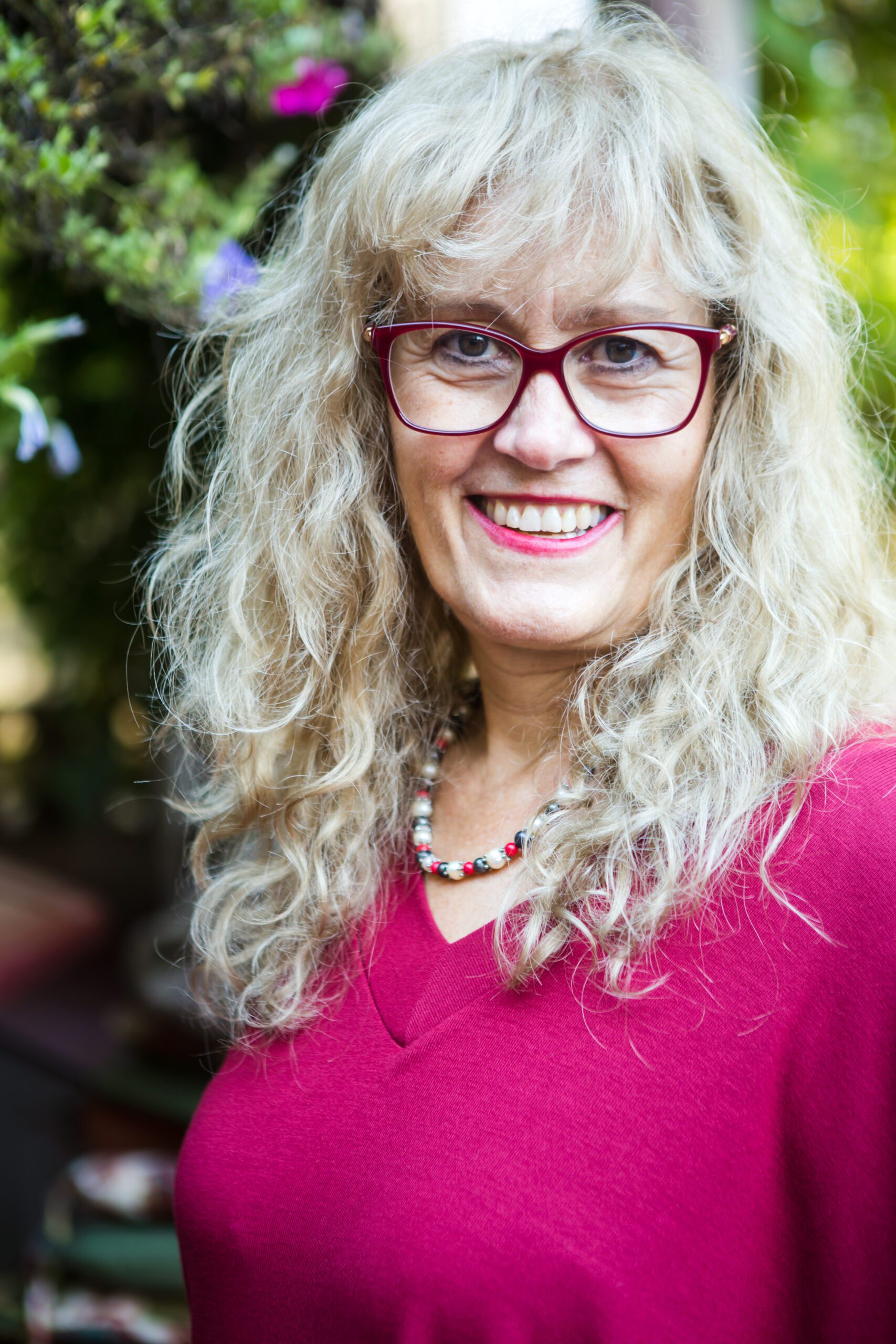
As Debra Pascali-Bonaro shares in this week’s Orgasmic Birth Podcast, the origins of this movement are personal and powerful. In 2017, New Jersey became the first state to establish Maternal Health Awareness Day thanks to the dedicated efforts of advocates, clinicians, and families who began organizing—literally—in Debra’s living room. “Movements often begin with small groups,” Debra reminds us, “so never underestimate the power of coming together.”
Today, Maternal Health Awareness Day is recognized across the U.S., but the urgency has only grown. The U.S. continues to face some of the highest maternal morbidity and mortality rates among industrialized nations—and more than 80% of these deaths are preventable.
The problem is not biological; it’s structural. Systemic racism, fragmented care, and lack of postpartum support create dangerous disparities where Black, Brown, and Indigenous families are two to three times more likely to die from pregnancy-related causes than white women.
Debra’s episode reframes maternal health beyond metrics of “alive and healthy.” She challenges us to ask: What if we also measured emotional wholeness, respect, and pleasure during pregnancy, birth, and postpartum?
When people feel safe, respected, and loved, their oxytocin flows, labor progresses more physiologically, bonding deepens, and healing is enhanced. Pleasure isn’t frivolous—it’s protective. Birth, at its best, is a place of power, connection, and transformation, and we all deserve that experience.
Debra calls on listeners—parents, birth workers, and advocates alike—to take action:
- Support trauma-informed, anti-racist care.
- Advocate for midwifery access and extended postpartum coverage.
- Engage in pleasure-based preparation like Pleasurable Birth Essentials or join the Eat Pray Doula Retreats.
- Share information in your community, contact local representatives, and amplify messages of respectful care.
As Debra says, “Every woman and birthing person deserves to be safe, seen, and sovereign in their body.” Let this Maternal Health Awareness Day ignite your own reflection—what’s one step you can take to hold ground on maternal health this year?