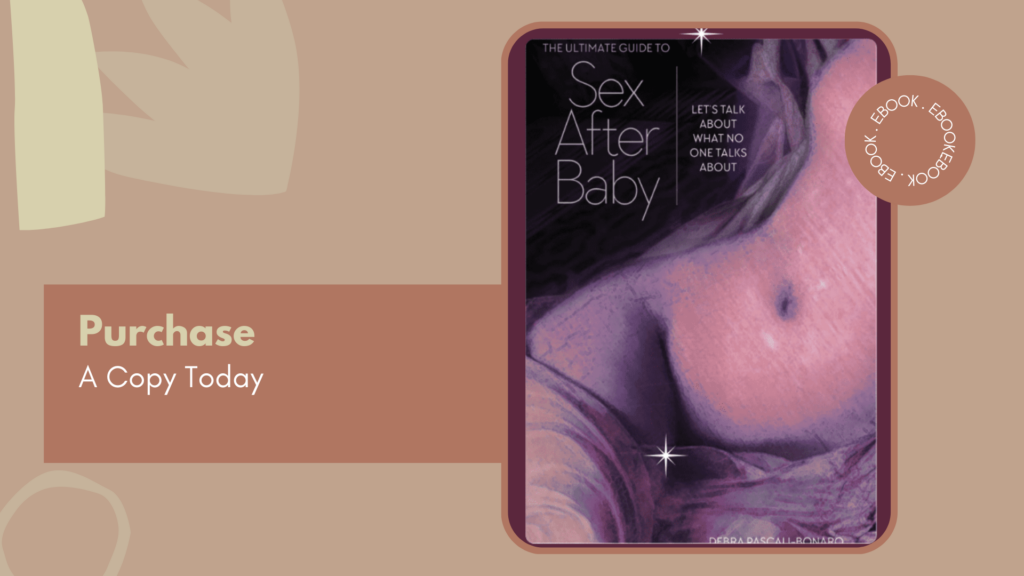
There is so much noise in our culture about “fixing” low libido, getting your body back, and returning to “normal” after birth. Far less often do we hear conversations about how to honor the season you’re in, reclaim pleasure gently, and rebuild intimacy with presence and compassion.
In a recent Orgasmic Birth Podcast episode, Debra Pascali-Bonaro sat down with Dr. Diane Mueller—a board-certified sexologist, naturopathic doctor, acupuncturist, and host of The Libido Lounge—to explore exactly that.
Pleasure as a Mindfulness Practice
Dr. Diane reminds us that pleasure is not frivolous—it is a form of mindfulness. Savoring a bite of cake, feeling the warmth of a bath, or melting into loving touch all require us to slow down, inhabit our bodies, and be in the moment.
Instead of rushing through experiences on autopilot, the practice of pleasure invites us back into sensation. This presence not only feels good, it also helps reset stress hormones and support our nervous system—something desperately needed in the postpartum period and in the chaos of everyday life.
Why Passion Fades (and How to Revive It)
Passion often feels effortless in early relationships. Uncertainty, anticipation, and novelty spike dopamine and keep us craving more connection. Over time—especially after moving in together or having children—life becomes more predictable. The “will they text?” and “when will I see them?” is replaced by laundry, dishes, and sleep deprivation. Dopamine drops, and so can desire. Desire after baby can be different.
Dr. Diane explains that we can consciously reintroduce novelty and anticipation in gentle ways: scheduling a new kind of date, trying a different form of touch, or even planning a simple, sensual ritual together. The goal is not performance, but reawakening curiosity and play.
Understanding Libido Codes
Just as many people now recognize “love languages,” Dr. Diane introduces the idea of libido codes—different ways that people are wired for turn-on. Some are highly sensory and need the right sounds, smells, and textures. Others are emotive and require emotional repair and connection before their bodies can open. Some crave kink as novelty; others need reassurance and tenderness first.
When we don’t understand our own or our partner’s code, we can easily miss each other’s cues and feel rejected. Naming these patterns opens the door to more compassionate, effective communication—especially when time and energy are limited.
Arousal Before Desire
Perhaps the most liberating piece of this conversation is Dr. Diane’s reminder that for many women, arousal comes before desire. In other words, you may not feel “in the mood” until your body has had time to soften, be touched, and feel safe.
This is particularly true after birth, when exhaustion, healing tissues, hormonal changes, and constant caregiving all shape how your body responds. Expecting mental desire to come first can make you feel broken. Inviting small, pressure-free moments of sensuality—like a foot rub, a shoulder massage, or gentle cuddling—allows arousal and desire to emerge more naturally.
Tiny, Doable Steps
If you are pregnant, postpartum, or simply overwhelmed, Dr. Diane suggests starting very small. Put a “pleasure check-in” on the calendar—even five minutes once a week. This might be a sensual massage with no goal, a long hug with full attention, or simply breathing together in bed and expressing appreciation for each other.
These moments keep the flame of intimacy alive while honoring your capacity. Over time, they create a foundation for deeper physical and sexual connection when you’re ready.
If you’re longing for more presence, pleasure, and play in your relationship—especially after baby—this episode offers both understanding and practical tools.
And remember: your body is not broken. Pleasure is your birthright, and it can begin with the smallest, kindest act of presence. Desire after baby is available to you!
Connect with Dr. Mueller